Category: Energy & Utility Savings

  • Home Energy Audits Explained Benefits and How They Work

    Home Energy Audits Explained Benefits and How They Work

    Did you know the average American household wastes nearly 25% of its power? This is because of poor insulation and outdated systems. This shows we really need to improve how we use energy at home.

    Home Energy Audits Explained helps you find where your home loses money and comfort. It spots hidden leaks and old appliances. This lets you make better choices for your home.

    Understanding the importance of home energy audits is key to a greener lifestyle. These checks do more than cut down your bills. They also help the planet.

    By making your home systems better, you make your home healthier and cheaper to run. Let’s see how these expert checks work and the benefits they bring to your home.

    Key Takeaways

    • Professional assessments identify hidden sources of power waste in your residence.
    • Reducing consumption leads to immediate savings on monthly utility expenses.
    • Improved insulation creates a more comfortable and consistent indoor climate.
    • These evaluations help lower your overall environmental impact and carbon footprint.
    • Investing in efficiency increases the long-term market value of your property.

    Understanding Home Energy Audits Explained

    Many homeowners are curious about what happens during a professional energy audit. It’s like a health check for your house. This energy efficiency assessment finds out where your home loses money and comfort.
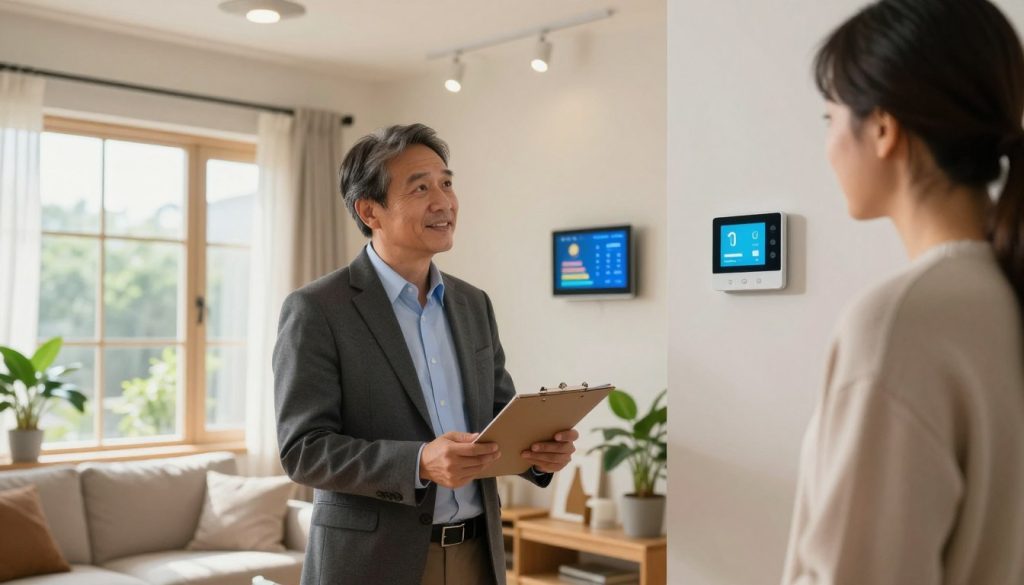
    A residential energy auditor is inspecting a cozy living room, filled with natural light streaming through large windows. In the foreground, a middle-aged professional wearing a tailored business attire is holding a clipboard and discussing energy efficiency features with a homeowner, who is attentively listening. The living room is decorated with energy-efficient LED lights, houseplants, and a smart thermostat prominently displayed on the wall, indicating a focus on sustainability. In the middle background, a wall-mounted energy monitor showcases real-time usage data. Soft, warm lighting creates an inviting atmosphere, emphasizing a sense of trust and collaboration. The camera angle is slightly elevated, capturing both the auditor and homeowner in a dynamic yet professional setting, showcasing the importance of home energy audits in a modern residential space.

    What is a residential energy evaluation?

    A residential energy evaluation is a detailed check of your home. Experts look at your walls, windows, doors, and roof. They also check your heating, cooling, and water systems.

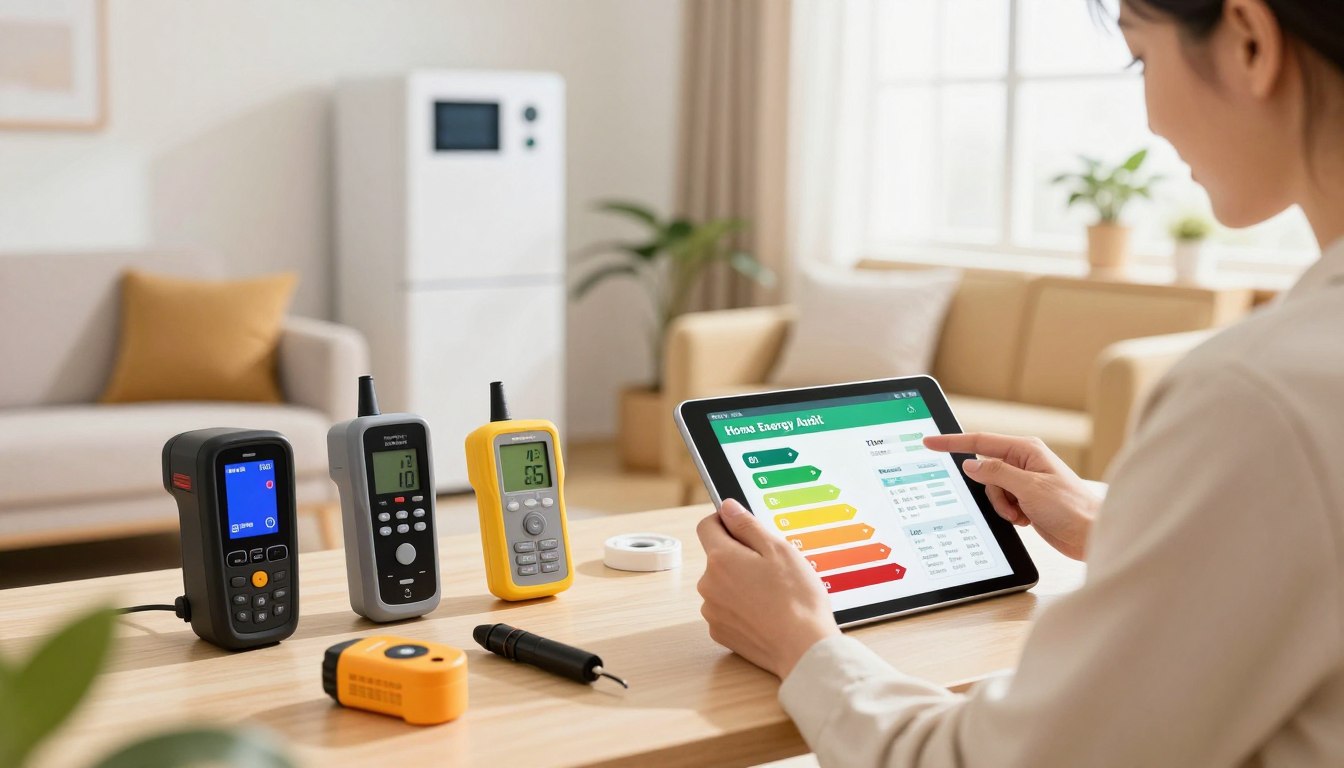
    Special tools help auditors find invisible problems. They search for insulation gaps and air leaks. This thorough method makes sure nothing is missed.

    Why your home performance matters

    Understanding home energy performance is key for a comfortable home. Poor performance means you’re wasting money on energy that escapes. This costs you every month.

    Spotting these issues lets you make smart improvements. Sealing leaks or updating old appliances saves money and energy. Taking control of your energy usage keeps your home comfortable for years.

    Top Benefits of Scheduling an Energy Audit

    Did you know that money is literally leaking out of your walls every month? Understanding the benefits of energy audits is key to saving money and helping the environment.

    Lowering your monthly utility bills

    A professional assessment can cut your monthly bills right away. It finds where your home loses heat or cooling. This lets you fix the most cost-effective problems.

    Small fixes, like sealing windows or adding attic insulation, can greatly lower your bills. These changes help your HVAC system work less hard, saving energy.

    Improving indoor air quality and comfort

    An audit also makes your home healthier. Sealing air leaks keeps out dust, allergens, and pollutants. This makes your home a cleaner place to live.

    With sealed air leaks, your home stays at a steady temperature. No more cold spots in winter or stuffy rooms in summer. Your home will feel more comfortable all year.

    Increasing your home’s resale value

    Knowing the importance of home energy audits is key if you plan to sell. Today’s buyers want energy-efficient homes.

    A certified energy-efficient home is a big plus in the market. Upgrades can help you ask for a higher price. They attract buyers who care about saving money and the planet.

    The Step-by-Step Home Energy Audit Process

    To get the most out of your energy efficiency assessment, start by preparing a few things before the auditor comes. Make sure your home is ready for them to check every area easily. This way, the expert can focus on finding leaks and improving efficiency without any hitches.

    Preparing for your professional assessment

    First, collect your utility bills from the last year. This gives a clear view of how much energy you use. Next, tidy up your attic, basement, and crawl spaces. These areas are key for the inspection.

    Make sure your furnace, water heater, and electrical panel are easy to reach. This saves time and lets the auditor work better.

    Common diagnostic tools used by auditors

    Experts use special tools to find what we can’t see. A blower door test is a key part of the home energy audit process. It makes your house less pressurized to show air leaks.

    Infrared cameras are also used. They show where heat is escaping through walls, windows, and ceilings.

    These tools give precise data on where your home loses air. Knowing this helps you understand where your money is going. This step is key to planning your home improvements.

    Reviewing your personalized energy audit checklist

    After the inspection, you’ll get a home energy audit checklist made just for you. This list shows you which upgrades to do first. It ranks tasks by how much they’ll save you on bills and comfort.

    Start with the most important tasks, like sealing gaps or adding insulation. Following this customized guide will make your home more efficient and save you money. By doing these tasks, you’ll make your home better for the planet and your wallet.

    Conclusion

    Turning your home into a high-performing space starts with knowing how you use it. Finding hidden leaks and inefficiencies saves you money in the long run. The cost of an energy audit is worth it when you see your bills drop.

    By making these changes, you also protect your home and make it healthier for your family. This reduces your carbon footprint too. Looking at the cost and savings helps you choose the best projects first.

    Getting a professional to assess your home gives you a plan for lasting comfort and savings. Your home should work as hard as you do to stay efficient. Contact a certified expert today to start your path to a greener future.
    FAQ

    What exactly are home energy audits explained for the average homeowner?

    A home energy audit is like a health check for your house. It looks at how your home uses energy and where it wastes it. By understanding this, you can find and fix problems like thin insulation or leaky windows.
    This helps lower your energy bills. Home energy audits give you a plan to save money and live more sustainably.

    What should I expect during a professional energy efficiency assessment?

    A certified technician will visit your home during an energy audit. They use special tools to check your home’s energy use. This includes tests to find air leaks and see heat loss.
    They check your thermostat and HVAC system to make sure they’re working well. This ensures your home is comfortable and efficient.

    What are the most significant benefits of energy audits for my household?

    Energy audits improve your home in three ways: comfort, health, and money. They help keep your home warm in winter and cool in summer. This makes your home more comfortable.
    They also keep pollutants and allergens out, improving your air quality. Homes that are energy-efficient can sell for more, making them a smart investment.

    How do the energy audit cost and savings actually work in the long run?

    The cost of an energy audit is worth it in the long run. Homeowners who make the suggested changes save 5% to 30% on their bills. This can pay for the audit and improvements over time.
    These savings put more money in your pocket each month.

    Is there a specific home energy audit checklist I should use to prepare?

    Yes, prepare for your energy audit by gathering some information. You’ll need your utility bills, a list of uncomfortable rooms, and access to your attic and appliances. This helps the auditor give you the best advice for your home.
  • How Smart Thermostats May Help Manage Energy Use and Save

    How Smart Thermostats May Help Manage Energy Use and Save

    Did you know that heating and cooling make up nearly half of the typical utility bill in the United States? This fact shows a big chance for homeowners to save money.

    Modern climate control opens the door to a more efficient home. By updating your system, you unlock advanced features that do more than just adjust the temperature.

    These devices watch your habits to cut down on your monthly bills. Knowing the core value proposition of this tech helps you find a balance between comfort and saving energy.

    You can now control how much energy your home uses. Learning about the benefits of smart thermostats for saving energy is the first step to a greener home. Using these tools is a sure way to cut down on energy costs with smart thermostats.

    Key Takeaways

    • Heating and cooling are the biggest parts of household utility costs.
    • Modern climate devices offer active monitoring, not just temperature control.
    • Technology helps find a balance between comfort and saving the environment.
    • Automated changes lead to big savings over time.
    • Controlling your climate settings lets you reduce your carbon footprint.

    Understanding How Smart Thermostats May Help Manage Energy Use

    Smart thermostats have come a long way from the old manual dials. These outdated devices often wasted power when you were away or asleep. Now, technology has advanced to make managing energy use easier.

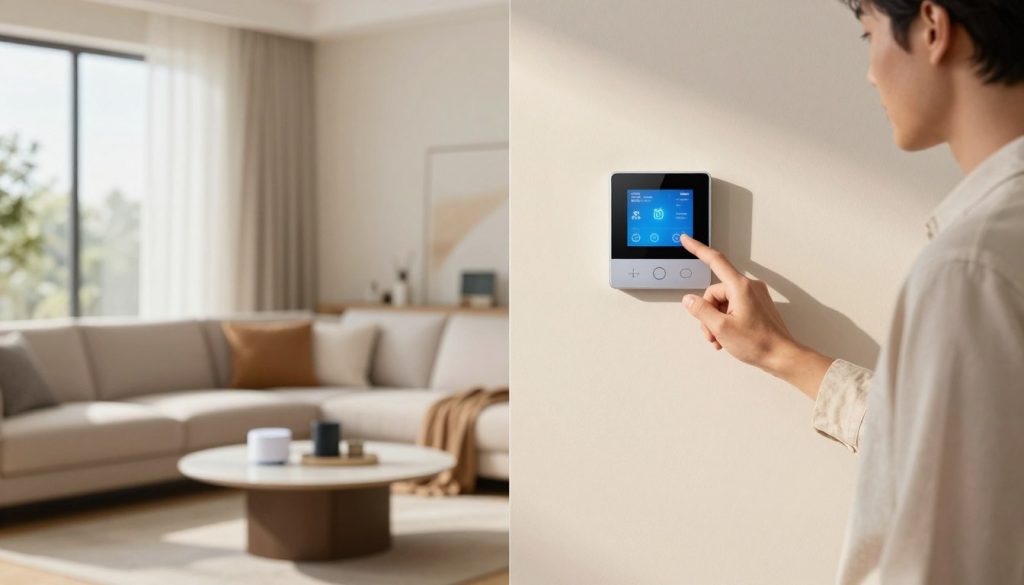
    A modern living room featuring a sleek, smart thermostat prominently displayed on the wall. In the foreground, a professional individual, dressed in smart casual attire, is adjusting the thermostat with a focused expression. In the middle ground, stylish furniture, such as a cozy sofa and a coffee table with energy-saving gadgets, conveys a sense of modern living. The background shows a large window with natural light streaming in, illuminating the space and enhancing the warm atmosphere. Soft shadows add depth to the scene. The overall mood is one of efficiency and comfort, illustrating how smart thermostats can optimize energy use in a home environment. The image should be bright and inviting, with attention to detail in the decor and functionality of the thermostat.

    The Shift from Manual to Automated Climate Control

    Automation has changed how we control our homes. Energy-efficient smart thermostats learn your habits and adjust the temperature for you. They only run when needed, saving energy.

    Forget to turn down the heat? No problem. The system does it for you. This makes your home comfortable without you lifting a finger. It’s a big step towards modern comfort.

    How Connectivity Transforms Your HVAC Efficiency

    What makes smart thermostats special is their constant connection. Link your system to your phone and control your home’s climate from anywhere. This lets you keep an eye on your energy use and save money.

    With smart home technology for energy efficiency, your HVAC talks to your phone. Get alerts, track energy, and adjust settings on the fly. This connection helps you make smart choices about energy use.

    Feature Manual Thermostat Smart Thermostat
    Temperature Control Manual Adjustment Automated Learning
    Remote Access None Smartphone App
    Energy Reporting Not Available Real-time Data
    System Integration Standalone Smart Home Ecosystem

    Five Key Ways Smart Thermostats Optimize Your Home Energy

    Modern homes do better with smart ways to control heat and cool. Using energy management with smart thermostats cuts down your bills and keeps your home comfy. These devices make sure your HVAC system only works when you’re home.

    Learning Your Daily Schedule for Precision Heating and Cooling

    Smart thermostats save energy by learning your daily habits. They don’t need you to set the temperature manually. Instead, they adjust based on when you wake up, leave, and come back.

    “The most efficient energy is the energy you don’t use when you aren’t there to enjoy it.”

    Utilizing Geofencing to Prevent Wasted Energy

    Geofencing uses your phone’s location to save energy. When you’re near, your thermostat turns off the heat or cool. This keeps your home comfy without wasting energy when you’re not there.

    • Automatic adjustments: The system changes the temperature based on your location.
    • Peace of mind: You don’t have to worry about forgetting to turn off the heat.
    • Seamless transition: Your home is just right when you arrive.

    Accessing Real-Time Energy Usage Reports

    Knowing your energy use is key with smart thermostats. They show you how much energy you use every day. This helps you spot patterns and make changes to save more money.

    Integrating with Smart Home Ecosystems for Better Control

    Linking your thermostat to a smart home system makes controlling your home easier. You can change the temperature with voice commands or an app. This makes your home more efficient and saves you money.

    Taking Advantage of Utility Demand Response Programs

    Many utilities offer programs for using less energy during peak times. These smart thermostat advantages let your utility make small changes to your settings. You get credits or other benefits on your bill.

    Choosing the Right Technology for Your Energy Goals

    Before you upgrade your climate control, make sure your system is ready. The right device is key to saving energy, as not all systems fit every home. By choosing wisely, you can get energy-efficient smart thermostats that save you money.

    Evaluating Compatibility with Your Existing HVAC System

    Start by checking your HVAC system’s wiring and voltage. Many old homes lack a “C-wire,” needed for constant power. Always check your wiring before buying to avoid problems.

    Most devices need a 24V system. If you have high-voltage heating, you’ll need a special model. Checking compatibility saves you from buying the wrong device.

    Prioritizing Features That Match Your Lifestyle

    After checking compatibility, focus on features that fit your lifestyle. Think about your daily routine and how you use your home. If you travel a lot, look for geofencing to save energy when you’re away.

    When comparing models, look for these key smart thermostat features for energy control:

    • Adaptive Scheduling: Devices that learn your habits.
    • Remote Access: Apps that let you adjust settings from anywhere.
    • Usage Reports: Insights to find high-consumption times.
    • Ecosystem Integration: Works with voice assistants like Alexa or Google Home.

    By choosing features that match your needs, you get a system that supports you. Researching these options helps your new tech meet your sustainability goals.

    Conclusion

    Modern living needs a smarter way to manage household resources. Switching to automated climate systems lets you enjoy comfort while saving money in the long run.

    You can make a big difference by using smart thermostats to save energy. Brands like Ecobee and Nest make it easy for homeowners to start saving.

    By using smart thermostats, you can cut down on energy costs. You get to see how much energy you use, helping you change your daily habits.

    Look into the features of your smart thermostat for better energy control. Even small changes can lead to big savings on your bills.

    Choosing smart home tech for energy savings is a step towards a greener future. Begin your journey today for a more comfortable and affordable home.

    FAQ

    How smart thermostats may help manage energy use more effectively than traditional models?

    Smart thermostats like the Google Nest Learning Thermostat are smarter than manual dials. They learn your daily routine with advanced algorithms. This means they can lower the temperature when you’re asleep or at work, saving energy without your effort.

    What are the primary smart thermostat advantages for energy management in a busy household?

    Smart thermostats offer a big advantage over manual controls. They use smart home tech to manage your HVAC system from your phone. Brands like ecobee use sensors to find occupied rooms, saving you money by not heating or cooling empty spaces.

    How does geofencing work to assist in reducing energy costs with smart thermostats?

    Geofencing uses your phone’s GPS to set a virtual boundary around your home. When you leave, your Honeywell Home T9 switches to “Away” mode, saving energy. This is a key feature for controlling energy use, as it stops unnecessary heating or cooling while you’re out.

    Can I monitor my progress when optimizing energy usage with smart thermostats?

    Yes, you can. Modern systems like the Amazon Smart Thermostat give detailed energy reports through apps. These reports help you see when and where your home uses the most power. This info lets you make better choices about heating and cooling, saving money over time.

    How do utility demand response programs integrate with smart home technology for energy efficiency?

    Demand Response programs from utility providers reward you for using less energy during peak hours. By linking your ecobee Premium or Nest to these programs, your thermostat can adjust settings to help the grid. This not only saves energy but can also earn you rebates or credits on your bill.

    What should I check to ensure compatibility before investing in energy-efficient smart thermostats?

    Before buying, check if your HVAC system needs a C-wire for continuous power. Many smart thermostats are easy to install, but verifying your system’s voltage and wiring is key. This ensures you get the most out of your smart thermostat without technical issues.